




Understanding Your Nursery Space
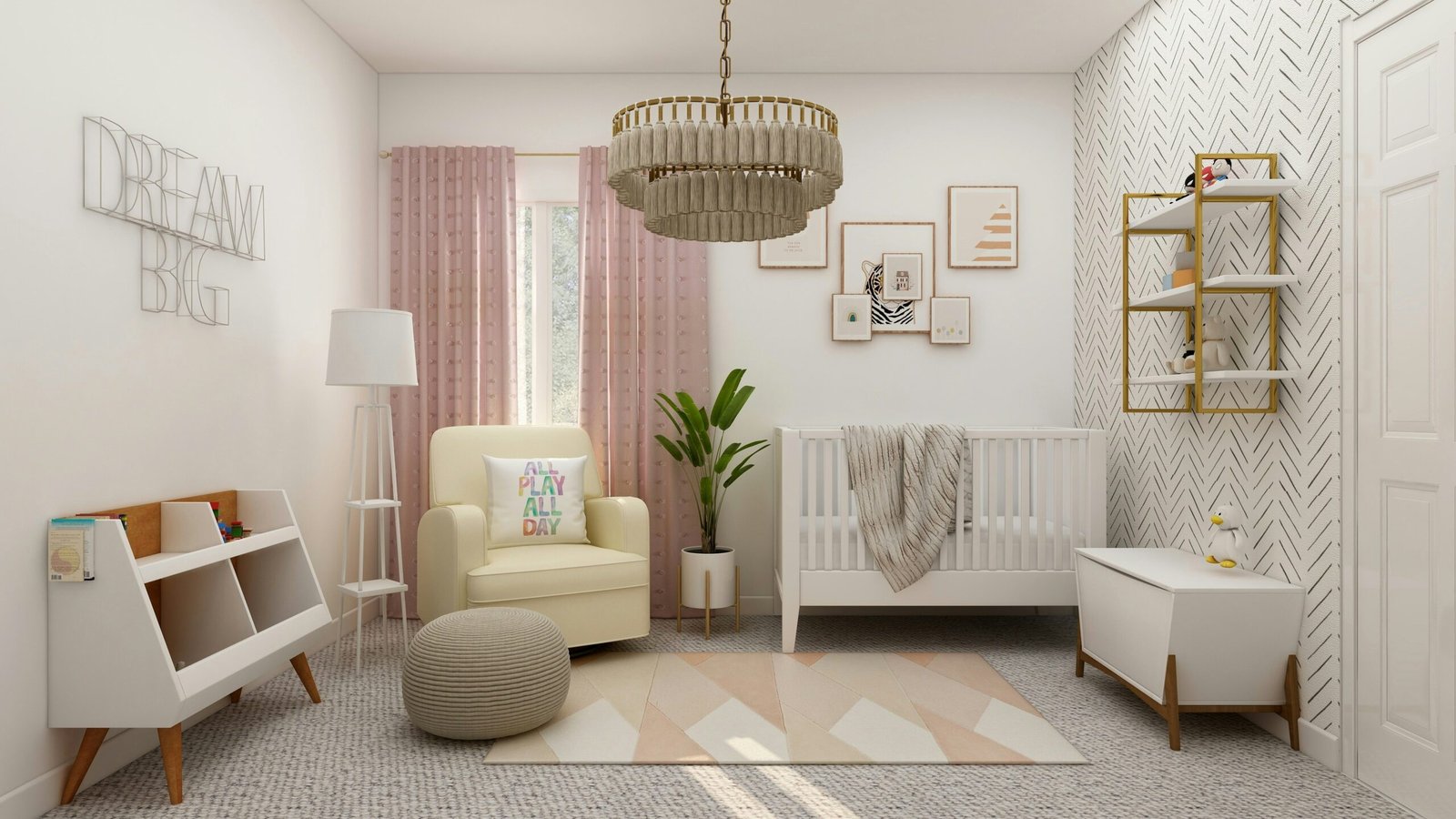
Creating a nursery involves more than just selecting decor and furniture; it requires a thorough assessment of the available space. Evaluating the nursery space is crucial for ensuring that it meets both the functional needs of the caregiver and the comfort requirements of the baby. An ideal nursery should provide a safe and nurturing environment for infants while remaining accessible for caregivers.
When deciding on the location for your nursery, one must first consider the amount of natural light the space receives. Adequate lighting is essential, as it can positively impact your child’s mood and sleep patterns. A brightly lit room during the day encourages activity and wakefulness, while a darker environment is beneficial during naps and bedtime. Therefore, positioning the nursery in a well-lit area, ideally with windows that let in ample natural light, is a priority.
The size of the nursery also plays a significant role in its functionality. A nursery should be spacious enough to accommodate essential furniture, such as a crib, changing table, and storage for toys and clothes. However, it is equally important not to overcrowd the room, as this can make it feel cluttered and overwhelming. Aim for a size that balances comfort and practicality, ensuring that there is enough room for movement, especially during times when one needs to attend to the baby.
Accessibility is another vital factor to consider when choosing the right nursery location. It should be situated near the primary living areas of the home, making it easy to move back and forth, particularly during nighttime feedings or diaper changes. Additionally, having the nursery close to the parent’s bedroom can facilitate a smoother transition during the early stages of parenting.
In conclusion, understanding your nursery space involves evaluating various elements, including lighting, size, and accessibility. By carefully considering these factors, you can create a functional and delightful nursery that ensures comfort for both the baby and the caregiver.
Essential Equipment for a Functional Nursery
Creating a nursery is an exciting endeavor for any parent-to-be. One of the key aspects of ensuring your nursery is functional and welcoming is selecting the right equipment. In this section, we will outline the essential items you need to consider when setting up your nursery, focusing on safety, comfort, and practicality.
First and foremost, the crib is arguably the most critical piece of furniture in any nursery. When choosing a crib, prioritize safety features such as sturdy construction, a secure mattress that fits snugly, and the absence of sharp edges. Modern cribs come in a variety of designs and are often convertible, transitioning into toddler beds as your child grows, which adds to their longevity and functionality.

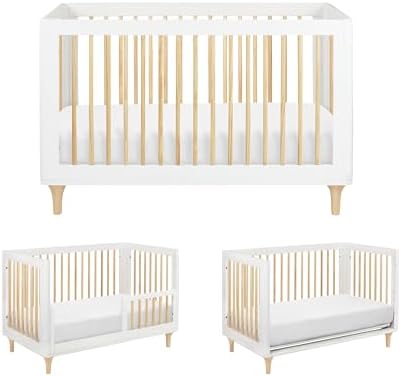
- PLAYFUL STATEMENT DESIGN: The joyful Lolly highlights the natural beauty of New Zealand pine wood with contrast styling …
- GREENGUARD GOLD CERTIFIED: The Lolly has undergone rigorous scientific testing for over 10,000 chemical emissions and VO…
- 3-IN-1 CONVERTABILITY & ADJUSTABLE HEIGHT: The Lolly transitions from crib to toddler bed and daybed, with an included t…


- BREATHE-THRU SAFETY: The only crib mattress with a Wovenaire breathe-thru core. Our patented technology ensures optimal …
- COMPLETELY WASHABLE: A washable crib mattress designed for real life. Fully washable from the removable cover to the inn…
- BETTER, LONGER SLEEP FOR BABY: Babies sleep longer on Newton. And they sleep better too. Our crib mattress provides opti…


- CONVERTIBLE CRIB: Converts from a crib to a toddler bed, daybed and full size bed with headboard (Daybed/Toddler Guardra…
- GROWS WITH BABY: The 3 position mattress height adjustment on this crib allows you to lower the mattress as your baby be…
- BUILT TO LAST: Strong and sturdy wood construction helps create a dream nursery where you’ll spend plenty of Mommy and M…


- GREENGUARD GOLD CERTIFIED: This crib meets the most stringent chemical emissions standards to create a healthier home fo…
- 6-IN-1 CONVERTIBLE CRIB: Crib converts to a toddler bed, daybed, sofa, full size bed with headboard and footboard and a …
- SAFE OPTION FOR YOUR BABY: This crib is JPMA certified to meet or exceed all safety standards set by the CPSC & ASTM | W…
In addition to a safe crib, a changing table is an indispensable item in any nursery setup. A changing table provides a dedicated space for diaper changes, which is essential for maintaining organization and cleanliness. Look for models with safety straps and guardrails to prevent accidents. Some changing tables even feature built-in storage for diapers and wipes, helping you keep everything within arm’s reach.

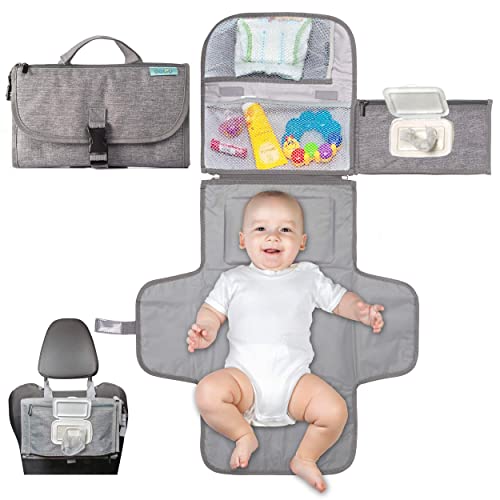
- PERFECTLY PORTABLE CHANGING STATION – with Kopi Baby’s diaper changing pad, you can have a clean, waterproof and safe ch…
- CONVENIENT TO CARRY – Attach your changing table pad to strollers, bags, wrists or wherever you choose alike with its Ve…
- SMART WIPES POCKET – Opened or folded, this baby changing station grants easy access to wipes with the smart wipes pocke…
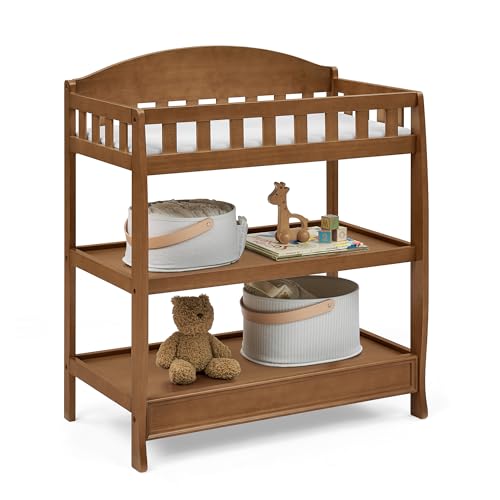
- VERSATILE STORAGE: This changing table features two shelves below a safe and secure changing area, to store all your bab…
- SAFE OPTION: We know chemicals have no place in your house, so we use a non-toxic multi-step painting process that is le…
- COORDINATING ITEMS: The Infant Changing Table coordinates with the Delta Children Hanover or Waverly cribs as well as ot…

- Safety Tested & Standard Compliant: This diaper changing station has been independently tested by a CPSC‑accredited labo…
- Ergonomic Height for Back Relief: Designed at a height that reduces the need for parents to bend over during diaper chan…
- Versatile & Storage Solution: Spacious changing surface offers plenty of room for comfortable diaper changes. 4 Open she…
Storage solutions are another important aspect of setting up a nursery. Babies require an extensive array of items, including clothing, toys, and books. Use a combination of drawers, shelves, and bins to organize these essentials efficiently. Consider furniture pieces that double as storage solutions, such as ottomans with hidden compartments or cribs with built-in drawers, maximizing your space while maintaining a tidy appearance.


- Double-column 5-tier Layout with 43% Extra Space: Yecaye over the door organizer innovatively upgrades its capacity with…
- Multi-functional Zoning Design of 10 Compartments: Engineered for smart organization, our back of the door storage shelf…
- 4-Point Grip + Dual-Layer Fabric + Reinforced Support: Unlike other competitors, our door organizer hanging uses 4 metal…

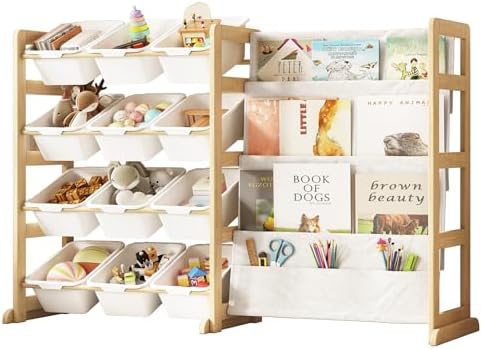
- 2-in-1 Toy & Book Storage: This kids toy storage organizer combines open toy bins with a front-facing sling bookshelf, c…
- FSC-Certified Solid Pine Wood Frame: Built with a natural solid pine wood frame, this kids toy storage organizer offers …
- 12 Removable Storage Bins: The 12 white plastic storage bins are easy to remove, carry, and wipe clean, helping sort blo…

- 3-in-1 Kids Bookshelf and Toy Storage Organizer – Combines a front-facing book rack, stuffed animal storage area, and mo…
- Large Storage for Growing Kids – Measuring 49.21″ × 11.81″ × 31.1″ inches, this toy storage organizer includes a 3-tier …
- Encourages Independent Cleanup – The low, open design lets toddlers easily see, choose, and reach their books and toys. …
Moreover, the comfort of your nursery is enriched by selecting the right seating options. A comfortable rocking chair or glider can be invaluable for late-night feedings or soothing your baby to sleep. Opt for a model with ergonomic support that allows for ease of use during long sitting sessions.

- Footrest & Side Pocket Design – Tailored for full body relaxation, the adjustable footrest allows you to stretch your le…
- Breathable Fabric and High Support – This rocking chair is wrapped in premium soft teddy fabric, skin-friendly, breathab…
- Versatile Multi-Scene Use – Boasting a timeless understated design, this cozy rocking chair fits beautifully anywhere in…
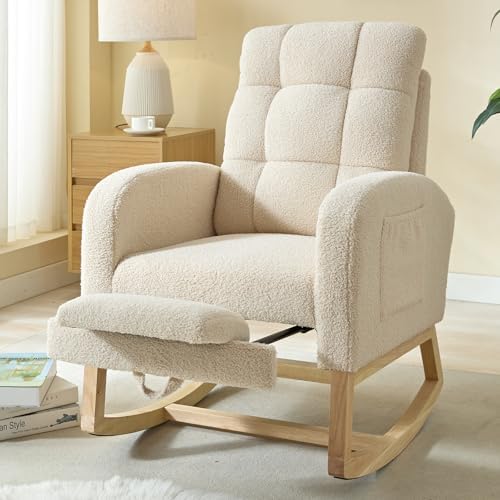
- Adjustable Footrest&Ergonomic Design – Our nursery rocking chair is equipped with good footrest that can provide your fe…
- Better Comfort – Both the backrest and seat cushion of our glider rocker rocking are filled with high-density sponge, wh…
- Rocks Gently – This rocker chair adopts excellent radian design is designed based on the concept of the most comfortable…
Ultimately, when setting up your nursery, focus on selecting items that promote both safety and comfort. This deliberate approach ensures that your nursery becomes a nurturing space for both you and your child.
Creating a Safe Environment
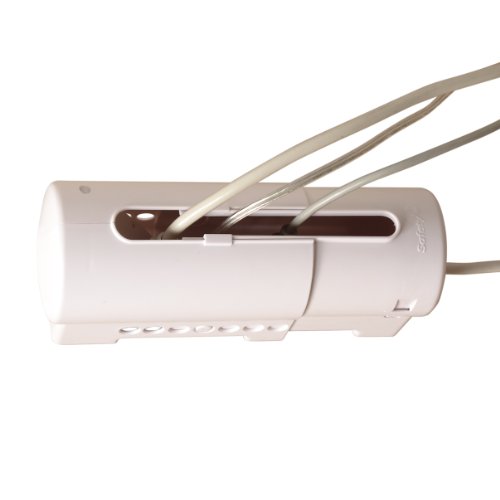
Designing a nursery involves more than just aesthetic appeal; safety is paramount. Parents must ensure that the nursery is a safe haven for their newborn. The first step in this process is securing all furniture to the walls. Heavy items, such as dressers and shelves, can pose a tipping hazard if a baby pulls themselves up on them. Utilizing furniture straps or brackets can prevent these accidents, and creating a stable environment is essential for a child’s safety.




Another critical aspect of nursery safety is the selection of non-toxic materials. Items used in the nursery, such as cribs, changing tables, and toys, should be free of harmful chemicals. Parents should look for certifications indicating non-toxic finishes or materials, such as those that meet the standards set by the Consumer Product Safety Commission (CPSC) or the American Society for Testing and Materials (ASTM). Selecting organic bedding and avoiding synthetic fabrics can also reduce exposure to potentially toxic substances as babies spend substantial time in their cribs and on their changing tables.
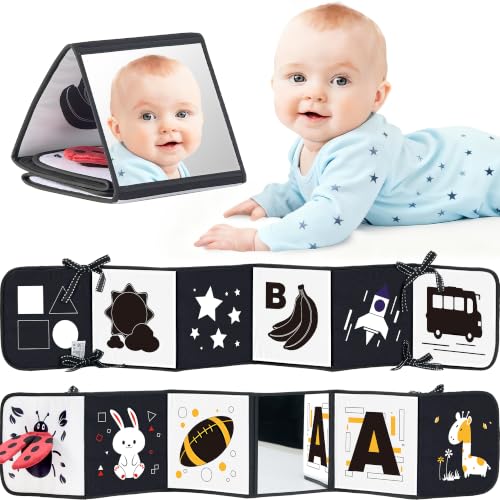
Moreover, vigilance concerning choking hazards is vital. Parents should regularly assess the environment for any small items that could be within reach of crawling babies. Items such as coins, buttons, or small toys should be removed or securely stored away. Additionally, when selecting toys for the nursery, it is crucial to choose those with large components that do not pose choking risks. Regularly inspect toys for damage, and discard any broken pieces to further ensure that the environment remains hazard-free.




In essence, creating a safe nursery requires thorough planning and ongoing attention. By securing furniture, opting for safe, non-toxic materials, and preventing choking hazards, parents can cultivate a space that nurtures and protects their little one throughout their early years.
Choosing the Right Color Palette
The color palette selected for a nursery plays a crucial role in establishing the atmosphere of the room. Soft, soothing colors are generally recommended, as they create a calming environment conducive to rest and relaxation for both the infant and caregiver. Neutrals, pastels, and muted tones often work well in this context. For instance, shades of light blue, pale pink, gentle greens, and soft yellows can all evoke a sense of peace and tranquility. These colors are not only visually appealing but also versatile, allowing for a serene space that can adapt as the child grows.
When considering how to choose a suitable color palette, one effective approach is to start with a primary hue and build around it. This might involve selecting bedding, artwork, and rugs that reflect and complement the chosen color. Additionally, it is essential to factor in the amount of natural light the nursery receives, as this can significantly alter the appearance of colors throughout the day. Lighter hues can help brighten a dimly lit room, while more vibrant shades may energize the space; thus, thoughtful consideration is required.
To provide flexibility as the child matures, parents can incorporate easily changeable accents, such as cushions, curtains, or decorative items, that align with their nursery’s base color scheme. As tastes evolve, it becomes straightforward to refresh the room’s overall look with new decor elements without drastically changing the entire palette. This adaptability allows the nursery to transition from a baby’s quiet space into an area reflecting a growing child’s personality and interests.


Selecting Nursery Decor that Grows with Your Child
Creating a nursery that can adapt as your child grows is an essential part of setting up a functional and aesthetically pleasing space. Select decor items that will not only suit your baby’s immediate needs but also transition well into a toddler’s or even a young child’s room. This flexibility is key to maximizing your investment in nursery decor.
One effective approach is to choose neutral colors for the walls and larger pieces of furniture. Shades like soft grays, beige, or pastels can serve as a versatile backdrop for various themes as your child’s preferences change over time. Additionally, consider using removable wall decals or stencils instead of traditional paint, allowing for easy updates without the commitment of a complete renovation.
For bedding, invest in high-quality, neutral beddings that can complement a variety of themes. As your child’s interests evolve, you can simply introduce themed pillow covers or blankets that can be easily switched out. This approach helps to keep the nursery feeling fresh and current without needing a complete overhaul.


Wall art is another excellent avenue for adaptation. Instead of framing prints that may quickly be outgrown, consider incorporating a gallery wall with frames that can easily accommodate new artwork as your child develops their own artistic tastes. Moreover, you can also include adaptable pieces such as chalkboards or corkboards, which allow for a constantly changing display of your child’s creations.
Finally, incorporating furniture that serves multiple purposes, like a bookshelf that doubles as a toy storage unit, can provide both style and practicality. This ensures that the decor remains functional and decorative, catering to your child’s evolving needs.
In conclusion, by thoughtfully selecting nursery decor that grows with your child, you create a warm, welcoming environment that can adjust to their developing personality and interests, making it a space for comfort, play, and learning.
Incorporating Storage Solutions
Creating an organized nursery is essential for both functionality and aesthetics. Innovative storage solutions are key to maintaining a space that is tidy, efficient, and welcoming. The first step in achieving this is to assess the available space and identify areas that can be optimized for storage.
One effective idea is to utilize vertical space. Installing shelves above the changing table or crib allows you to keep essential items within reach while freeing up valuable floor space. Consider open shelving for frequently used items, such as diapers, wipes, and clothing, which can be easily spotted and accessed. For a stylish touch, use decorative baskets on the shelves to keep items grouped together, enhancing both organization and visual appeal.
Another storage solution involves multi-functional furniture. Choosing items that serve dual purposes can save space and add practicality to the nursery. For instance, a crib with built-in drawers can provide a convenient place for baby clothes and linens. Ottomans or benches with hidden storage are also excellent options, as they can hold toys or extra blankets while providing additional seating or a footrest for parents during feedings or late-night snuggles.
To further enhance your storage strategy, consider utilizing the inside of closet doors by installing hooks or small racks. This feature allows for the hanging of frequently used items, such as towels or outfits, making them easily accessible when you need them. Additionally, using clear bins or labeled boxes in drawers and closets helps in sorting and retrieving items quickly, which is particularly beneficial during hectic times.


- Large Size, Large Capacity: This 5-shelf baby storage organizer features five spacious pockets (up to 15.7″/40cm long) p…
- Holds Its Shape Well: Unlike ordinary over door organizers, ours features reinforced stitching between every side pocket…
- Easy Access & Visibility: Measuring 15.7″ (L) x 5.5″ (W) x 57.8″ (H), our door hanging organizer offers spacious pockets…
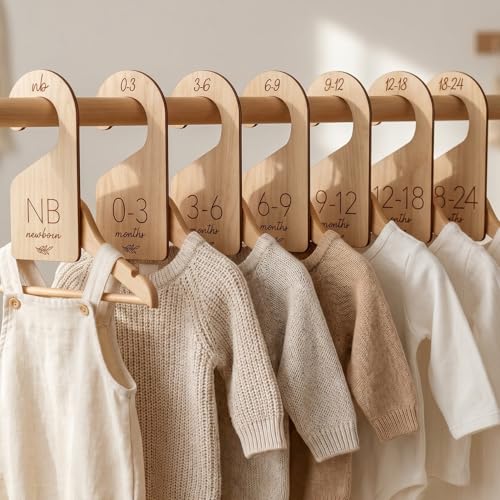
- For A Tidy & Well Organized Baby Closet: The baby closet dividers make it super easy to stay organized and on top of all…
- Double-Sided – Easily Legible From Any Side: Each 7×3.5” baby closet organizer for your nursery is double-sided helping …
- Made Of Premium Wood: Crafted with smooth, chip-resistant and durable wood, the baby closet dividers by KIBAGA are your …

- 【50GAL Extra Large Space Storage】ONLY 1x LID PER SET, More Need to Buy! Each 50 gallon large stackable storage bins with…
- 【Foldable, Stackable, Quick Assembly】Our large plastic storage bins can be quickly unfolded or collapsed in just 3 minut…
- 【Two Ways to Open & Magnetic Doors】The collapsible storage bins with lids and wheels feature a dual access way, allowing…
Lastly, remember to regularly review and adjust your storage solutions as your baby grows. Their needs will evolve, and so should your storage strategies, ensuring the nursery remains a highly functional space for your family.
Creating a Cozy Atmosphere
Establishing a welcoming and comfortable nursery environment is paramount for both the baby and the caregiver. First and foremost, lighting plays a critical role in setting the tone of the space. Soft, adjustable lighting can promote relaxation during feedings and diaper changes, while also ensuring that the room feels warm and inviting. Consider using dimmable lights or lamps with soft hues to create a serene ambiance that can easily adapt to different times of day.
In addition to lighting, the selection of textiles is equally important in fostering a cozy atmosphere. Soft, breathable fabrics for curtains, bedding, and rugs can enhance comfort while providing a visually appealing aesthetic. Opting for natural materials not only improves comfort but also contributes to a healthier indoor environment by reducing exposure to harmful chemicals. Layering different textures can add depth to the room, making it feel more inviting; for instance, combining plush rugs with cotton bedding can create a comfortable retreat for both baby and caregiver.
When it comes to furnishings, choosing pieces that are both functional and soothing is essential. A comfortable rocking chair or glider can facilitate bonding moments during late-night feedings, offering a relaxing place to unwind. Additionally, selecting furniture with rounded edges can contribute to a safer environment for exploration as the baby begins to grow. A well-organized nursery with sufficient storage solutions can also reduce clutter, further enhancing the sense of calm within the space.
Lastly, the incorporation of personal touches such as artwork, family photos, or sentimental items can foster a sense of connection and generate positive emotions. Altogether, these elements—thoughtful lighting, soft textiles, and comfortable furnishings—work synergistically to create a nurturing and cozy atmosphere conducive to the overall well-being of both the child and the caregiver.
Adding Personal Touches
Creating a nurturing environment for your newborn goes beyond choosing the right furniture and color scheme. Personalizing your nursery with unique items can infuse warmth and character into the space, making it truly special for your family. One way to achieve this is by incorporating keepsakes that hold sentimental value. For example, consider displaying a favorite childhood toy of yours or a cherished blanket that has been passed down through generations. These items not only add a personal story to your nursery but also provide a comforting presence for your baby.
Moreover, handmade items can significantly enhance the uniqueness of your nursery. Crafting or purchasing hand-made decor, such as quilts, wall hangings, or custom-made mobiles, can add a touch of creativity while also supporting local artisans. Additionally, engaging family members in making something for the nursery can foster a sense of unity and love. Perhaps a relative who enjoys knitting could create a custom blanket, or you might find joy in painting a mural that reflects your family’s interests and values.
Another effective way to incorporate personal elements into the nursery is by using family photos. Framing pictures of loved ones and placing them strategically around the room can create a familiar and comforting atmosphere. This inclusion not only helps your child recognize their family from an early age but also serves as a reminder of the support system surrounding them. You might also consider a photo wall or a dedicated space for changing out pictures as your family grows, keeping the nursery dynamic and ever-evolving.
Finally, add small touches that reflect your tastes and hobbies. Whether it’s through art, books, or color schemes that resonate with you, these elements create a comforting and motivational environment. By blending keepsakes, handmade treasures, and family photographs, you can create a nursery that is not only functional but profoundly personal, establishing a serene oasis for both you and your child.
Planning for Future Needs
When setting up a nursery, it is vital to consider not just the present requirements, but also the future needs of your child. As infants grow, their needs will evolve significantly, and a nursery should be designed with these transitions in mind. One of the primary aspects to consider is the eventual move from a crib to a bed. Selecting a convertible crib or a bed that can grow with your child can save you from potential disruptions and additional expenses down the road. Furthermore, choosing bedding and a color palette that can adapt will facilitate an easy transition to a more mature look as your child ages.
Another consideration involves flexibility in the nursery’s design. Opt for furniture that serves multiple purposes, such as a changing table that doubles as a dresser. This not only maximizes space but also accommodates the shifting needs of your child as they progress from wearing diapers to using the bathroom independently.
Moreover, it is beneficial to embrace a theme that can evolve. While thematic decor can add charm to a nursery, limiting yourself to a specific character or trend may require a complete redesign later on. Instead, consider neutral themes that allow for easy updates. This might include colors or patterns that embody a serene environment, which can be accented with interchangeable accessories or artwork reflecting your child’s growing interests.
In addition to these practical elements, it is crucial to consider the layout of the nursery. As your baby grows into a toddler, they will require more space for play and exploration. Allowing room for a play area within the nursery can encourage development and movement. Finally, remember to incorporate elements that reflect your family’s values and aesthetics; creating a personalized space will ensure that your nursery remains a cherished place throughout all stages of your child’s life.